
What is a Network?
A network is a collection of connected devices that communicate with each other to send, receive, and share data and resources. These devices can include servers, computers, switches, routers, and storage systems.
The main purpose of a network is to transfer information quickly, securely, and reliably. Networks can be small, like a home network connecting a few computers and smartphones, or very large and complex, like data center and cloud networks connecting thousands of devices.
In simple terms, a network acts as a communication system for devices, allowing them to share data, access the internet, and use shared resources efficiently.
Network Structure
The network structure refers to the way all devices and components are organized and connected to communicate effectively. A well-designed structure ensures that data flows quickly, reliably, and securely between all parts of the network.
Core Components
- Routers: Direct data between different networks and manage traffic to ensure information reaches the correct destination.
- Switches: Connect devices within the same network and manage how data packets move between them.
- Access Points (APs): Enable wireless devices to connect to the network.
- Cabling and Physical Connections: Provide the physical paths for data to travel, such as Ethernet cables or fiber optics.
- Firewalls and Security Devices: Protect the network from unauthorized access and cyber threats.
Layered Structure
Most networks are organized in layers:
- Core Layer: The backbone of the network, handling the largest volumes of data.
- Distribution Layer: Connects the core layer to access layers and manages traffic efficiently.
- Access Layer: Where devices like computers, printers, and IoT devices connect to the network.
A well-structured network ensures high performance, scalability, and security, making it easier to manage and expand as the organization grows.
What is Network Hardware?
Network hardware refers to all the physical devices and equipment that allow computers, servers, and other devices to connect, communicate, and share data within a network. These devices form the backbone of any network, ensuring that information moves quickly, securely, and reliably.
Types of Network Hardware
Network hardware includes all the devices that make it possible for computers and other equipment to connect, communicate, and share data. Each type has a specific role in ensuring the network works smoothly.
1. Routers
Routers connect different networks and direct data to the right destination. They are essential for connecting a local network to the internet or linking multiple office locations.
2. Switches
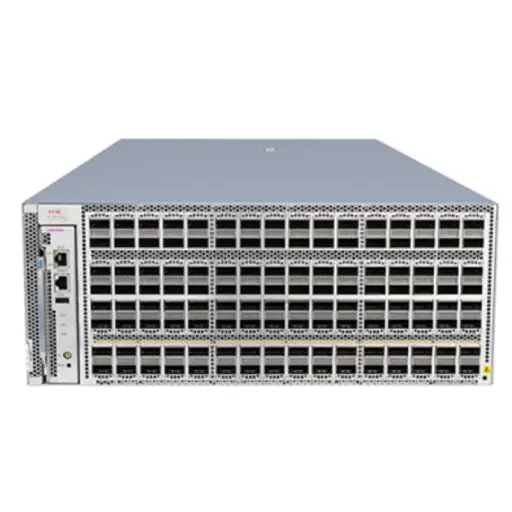
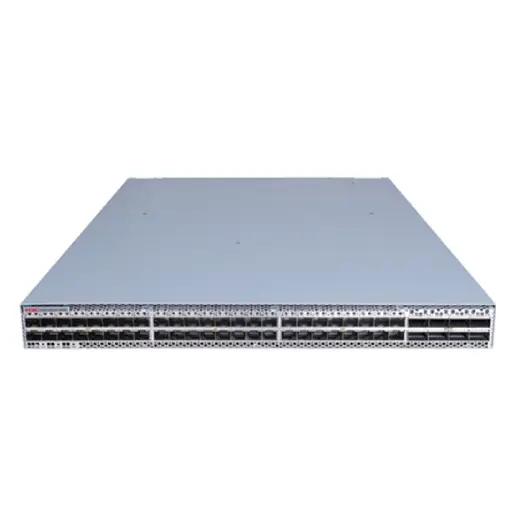
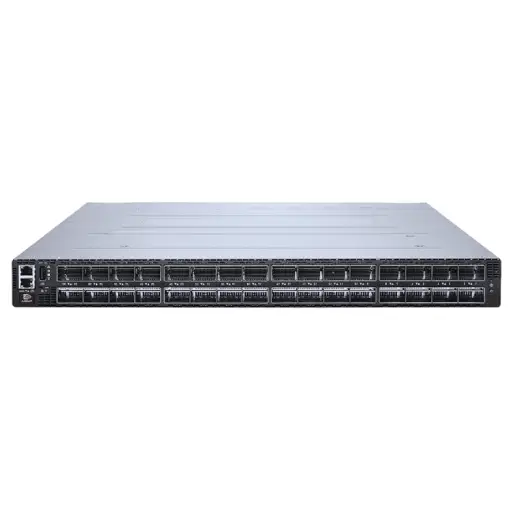
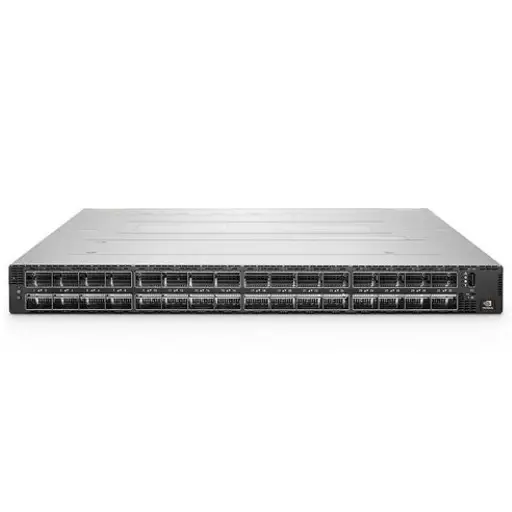
Switches connect multiple devices within the same network. They manage how data flows between computers, servers, and other devices, making communication faster and more efficient.
3. Access Points (APs)
Access Points allow wireless devices like laptops, phones, and IoT devices to connect to the network. They expand the network’s coverage without extra cabling.
4. Network Cables & Media
Cables and physical connections (Ethernet, fiber optic, etc.) are the “roads” of a network. They carry data between devices with high speed and reliability.
5. Firewalls & Security Devices
These protect the network from unauthorized access, attacks, and malware. Security devices ensure data stays safe and the network operates reliably.
6. Network Interface Cards (NICs)
NICs are installed in computers and servers to allow them to connect to the network. They can be wired or wireless and determine the speed and quality of the connection.
7. Modems
Modems connect your network to internet service providers (ISP) and convert data between digital and analog signals if needed.
Key Points When Buying Network Hardware
When buying network hardware, it’s important to choose the right devices that match your network’s needs. Here are the most important points to consider:
Network Size and Scale
Before purchasing, consider how many devices and users will connect to your network now and in the future. A small office network needs fewer devices than a large enterprise or data center.
Performance and Speed
Check the data transfer speed and bandwidth of routers, switches, and access points. For high-traffic networks or data-intensive applications, you need hardware that can handle large volumes without slowing down.
Reliability and Redundancy
Look for devices with redundant power supplies, dual controllers, or failover options. This ensures that if one component fails, your network continues to operate smoothly.
Security Features
Firewalls, managed switches, and access points should include advanced security options like encryption, intrusion detection, and access control. Protecting sensitive data is critical.
Compatibility
Make sure the new hardware is compatible with your existing network. Consider protocols, cabling, and integration with servers, storage, and software.
Scalability and Upgrade Options
Choose hardware that allows easy expansion. You should be able to add more devices, ports, or increase bandwidth as your network grows without replacing everything.
Brand and Support
Select reliable brands with strong technical support and warranty options. Good after-sales service ensures that any problems are resolved quickly and reduces downtime.
Top Network Hardware Brands
When you are buying network hardware, the brand you choose directly affects quality, reliability, and support. Trusted brands have been in the market for years and incorporate the latest technologies into their products. This means your network will be faster, more secure, and easier to expand.
Cisco
Cisco is one of the most trusted and well-established brands in networking. Their routers, switches, and security devices are widely used in enterprise networks and data centers. Cisco products are known for their reliability, performance, and strong support.
HPE (Aruba)
HPE, with its Aruba series, provides strong solutions for wired and wireless networks. These devices are suitable for medium to large offices, offering easy management and robust performance.
H3C
H3C is a well-known brand, especially for high-density switches and professional routers. It offers a good balance between price and performance, making it a popular choice for many organizations.
Ubiquiti
Ubiquiti is famous for wireless networking and simple management. Its solutions are perfect for small to medium offices that need scalable Wi-Fi and easy deployment.
Netgear
Netgear focuses on home networks and small offices. Their devices are easy to set up, affordable, and reliable, making them a good value choice for simple networking needs.
TP‑Link
TP‑Link offers economical and reliable network devices for small and medium networks. It is a solid option if you need affordable hardware without compromising basic performance.
MikroTik
MikroTik products are known for advanced traffic management and customization. They are ideal for professionals who need detailed control and advanced networking features.
History of Network Hardware
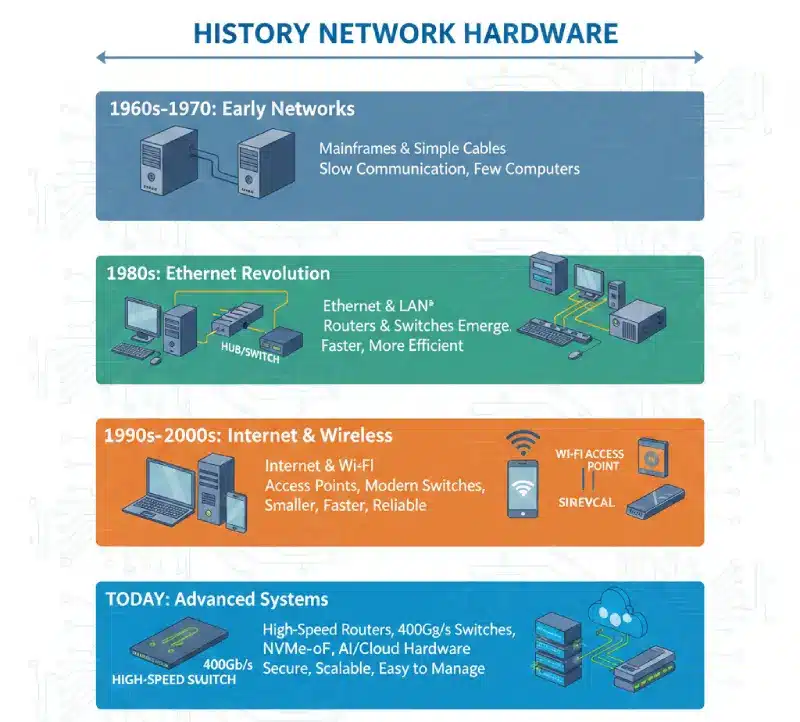
The story of network hardware starts with the earliest computer networks in the 1960s and 1970s. Back then, networks were very basic and used mainframes connected by simple cables. Communication was slow, and only a few computers could share data.
In the 1980s, the introduction of Ethernet revolutionized networking. Computers could now connect more easily using wired connections, and local area networks (LANs) became common in offices. During this time, routers and switches started to appear, allowing networks to become larger and more efficient.
In the 1990s and 2000s, networks grew even faster with the rise of the internet and wireless technology. Wi-Fi access points, modern switches, and firewalls became standard in offices and homes. Hardware became smaller, faster, and more reliable, supporting more users and devices simultaneously.
Today, network hardware is highly advanced. High-speed routers, 400Gb/s switches, NVMe over Fabrics, and intelligent data center devices allow large-scale data centers, cloud services, and AI applications to operate efficiently. Modern hardware is not only fast but also secure, scalable, and easy to manage.
In short, network hardware has evolved from simple cables connecting a few computers to complex, high-speed systems powering the internet and enterprise networks worldwide.
The Role of Network Devices in AI
Network devices are essential for AI systems because they enable fast, reliable, and low-latency data transfer between servers, GPUs, and storage. AI workloads involve massive amounts of data that must move quickly for training models, running real-time analytics, or powering autonomous systems.
High-performance switches, routers, and advanced interconnects like InfiniBand or NVMe over Fabrics ensure scalability, reliability, and efficient resource sharing, making them as critical as CPUs and GPUs for modern AI applications.
Buy Network Devices from ITCT Shop
Get the best network devices from ITCT Shop, delivered worldwide. We offer competitive prices and fast shipping, including same-day delivery in nearby areas.
Whether you need routers, switches, access points, or advanced data center devices, ITCT Shop makes it easy to find the right hardware for your network.