
What are AI Laptops & PCs?
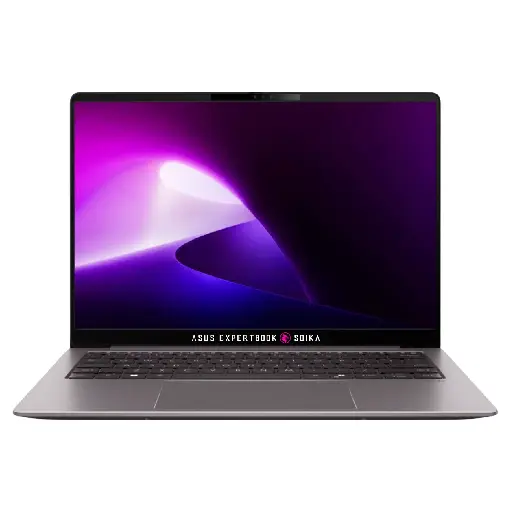
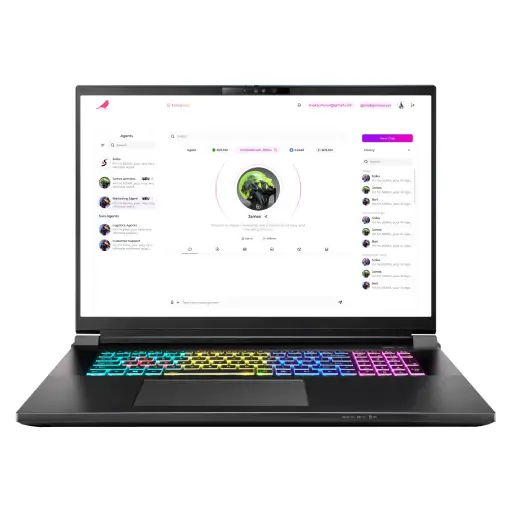
AI Laptops and PCs are computing devices specifically designed to handle artificial intelligence workloads such as machine learning, deep learning, data analysis, and real-time inference. Unlike standard laptops or desktops, these systems come equipped with high-performance CPUs, dedicated GPUs, and AI accelerators that allow them to process large amounts of data quickly and efficiently.
These devices are ideal for developers, researchers, and engineers who need portable or desktop solutions capable of training models, running simulations, or performing complex computations without relying entirely on cloud servers. AI Laptops are generally portable and power-efficient, making them suitable for on-the-go work, while AI PCs (desktop systems) provide maximum performance, upgradability, and connectivity for heavy-duty tasks.
In short, AI Laptops & PCs bridge the gap between portability and high computational power, offering flexible, ready-to-use solutions for professional AI applications.
Advantages of AI Laptops & PCs
AI Laptops and PCs offer specialized hardware and software optimizations that make them ideal for artificial intelligence tasks. Here are the main advantages:
- High Computational Power: Equipped with powerful CPUs, GPUs, and AI accelerators, these devices can handle heavy workloads like deep learning model training, data analysis, and real-time inference efficiently.
- Portability (for AI Laptops): AI laptops allow professionals to run AI tasks on the go, enabling work from home, office, or while traveling without sacrificing performance.
- Customization and Upgradability (for AI PCs): Desktop AI PCs often allow users to upgrade GPUs, memory, and storage, adapting the system to growing project requirements.
- Reduced Reliance on Cloud Computing: By processing data locally, AI Laptops & PCs reduce latency and dependency on cloud services, improving speed and security.
- Support for AI Software and Frameworks: These systems are optimized for AI frameworks like TensorFlow, PyTorch, and OpenVINO, ensuring smooth execution of models.
- Versatility Across Applications: From machine learning research to industrial AI, video analytics, and real-time simulations, these devices provide flexible and reliable computing power.
Structure of AI Laptops & PCs
AI Laptops and PCs are built differently from standard computers to handle resource-intensive AI workloads efficiently. Their structure is designed around three main pillars: processing power, memory and storage, and connectivity.
Processing Units (CPU & GPU)
The core of an AI laptop or PC includes a high-performance CPU for general computation and dedicated GPUs or AI accelerators for parallel processing of neural networks, deep learning models, and large datasets. Some systems also include tensor cores or specialized AI chips to speed up inference tasks.
Memory (RAM) and Storage
AI systems come with large amounts of high-speed RAM to handle multiple AI tasks simultaneously and fast storage drives (SSD/NVMe) to quickly load datasets, models, and software frameworks. This ensures smooth performance during training or real-time inference.
Connectivity & Ports
These devices offer a wide range of ports and interfaces for connecting external GPUs, cameras, sensors, or network modules. High-speed Ethernet, USB-C/Thunderbolt, HDMI, and Wi-Fi 6/6E support are common to ensure seamless integration with AI projects.
Cooling and Power Management
AI workloads generate significant heat, so AI laptops and desktops include advanced cooling systems, like dual fans, liquid cooling, or optimized airflow, to maintain stable performance. Reliable power supply units ensure uninterrupted operation, especially for desktop systems.
Software Optimization
AI Laptops & PCs are often pre-configured or optimized to work with popular AI frameworks such as TensorFlow, PyTorch, and ONNX, ensuring maximum compatibility and performance out-of-the-box.
the structure of AI Laptops & PCs is purpose-built for speed, efficiency, and reliability, combining powerful hardware, fast memory, robust connectivity, and optimized software to meet the demands of modern AI workloads.
Buying Tips
Purchasing an AI laptop or PC is different from buying a regular computer because AI workloads demand high performance, reliability, and compatibility. Here are some essential tips to consider before buying:
- Check GPU and AI Acceleration
- CPU Performance Matters
- Adequate RAM
- Fast and Sufficient Storage
- Portability vs Performance
- Cooling System
- Software Compatibility
- Connectivity & Expansion
- Future-Proofing
- Warranty & Support
Following these tips ensures that your AI laptop or PC will deliver maximum performance, reliability, and long-term value for AI development, research, and production projects.
Applications of AI Laptops & PCs
AI Laptops and PCs are specialized machines built for high-performance AI tasks, capable of processing large datasets, training complex models, and delivering insights in real time. Unlike regular computers, they combine powerful GPUs, fast CPUs, high-speed memory, and optimized AI software to ensure smooth execution of demanding workloads. Because of these capabilities, AI laptops and PCs are widely used across industries and research fields, offering flexibility, speed, and independence from cloud infrastructure.
Here’s a detailed look at their main applications:
1.Machine Learning & Deep Learning Development
AI Laptops & PCs allow researchers and developers to train neural networks, test models, and run simulations efficiently. Their hardware accelerates computations, reducing the time required for training large-scale AI models.
2. Computer Vision
From real-time video surveillance to facial recognition and object detection, AI laptops and PCs can process high-resolution images and video streams on the spot, making them ideal for security, industrial monitoring, and autonomous systems.
3. Natural Language Processing (NLP)
These devices can handle text analysis, sentiment detection, language translation, and AI-driven content generation, enabling developers to run sophisticated NLP models locally without relying entirely on cloud servers.
4. Data Analytics & Big Data Processing
AI Laptops & PCs can manage large datasets, predictive modeling, and statistical analysis efficiently. Local processing ensures faster results and reduces dependence on network bandwidth.
5. Robotics & Automation
AI-powered robots, drones, and industrial automation systems rely on real-time data processing and decision-making. Edge-capable laptops and PCs provide the necessary computational power to operate autonomously without latency issues.
6. Healthcare & Medical AI
Medical AI applications such as analyzing imaging data, processing patient information, and running diagnostic tools benefit from the speed and reliability of AI laptops and PCs, which allow critical decisions to be made quickly.
7. IoT & Smart Devices
AI Laptops & PCs are essential in the Internet of Things (IoT) ecosystem, processing sensor data from smart homes, factories, or cities. They enable instant decision-making and automation at the edge, reducing reliance on cloud connectivity.
8. Gaming & AI Simulation
Developers and researchers can use these devices for AI-driven game simulations, procedural content generation, and training intelligent agents, taking advantage of high-end GPUs and fast memory.
AI Laptops & PCs provide robust, high-performance computing for any AI task, whether it’s research, industrial applications, or real-time analytics. They empower professionals and organizations to work faster, smarter, and more independently, bridging the gap between mobility and raw computational power.
Comparison with Standard Computers
AI Laptops & PCs are purpose-built for artificial intelligence and machine learning tasks, making them fundamentally different from standard laptops or desktops. While ordinary systems can handle everyday computing like office work, browsing, or light programming, AI systems are designed to process large datasets, run complex models, and perform real-time inference efficiently.
Key Differences:
| Feature | Standard Computers | AI Laptops & PCs |
| Processing Power | Handles general tasks, limited for heavy AI workloads | High-performance CPUs & dedicated GPUs for AI computations |
| GPU / AI Accelerator | Integrated or basic GPU | Dedicated GPU or AI accelerator (e.g., NVIDIA RTX, H100) |
| Memory (RAM) | 8–16GB typical | 32GB or more recommended for AI workloads |
| Storage | Standard HDD/SSD | High-speed SSD/NVMe for fast dataset access |
| Real-Time Processing | Limited | Optimized for low latency and immediate inference |
| Software Optimization | General-purpose OS and software | Pre-configured for AI frameworks (TensorFlow, PyTorch, ONNX) |
| Upgradability | Limited | Expandable RAM, GPU, and storage options |
| Applications | Office, multimedia, light programming | AI research, machine learning, deep learning, robotics, computer vision |
AI Laptops & PCs bridge the gap between standard computing and specialized AI workloads, offering speed, efficiency, and reliability that general-purpose computers cannot match.
Buy AI Laptops & PCs from ITCT Shop
ITCT Shop is a trusted supplier of AI laptops and PCs offering competitive prices in Dubai and fast delivery options. Whether you need a high-performance AI laptop for development, a desktop PC for deep learning, or an edge computing system, ITCT ensures reliable shipping worldwide.
With ITCT Shop, you get:
- Best prices in Dubai for AI laptops and PCs
- Fast and secure delivery to your location
- Global shipping, so you can receive your system anywhere in the world
- Professional support and consultation to help you choose the right model for your AI projects
Purchasing from ITCT Shop guarantees that your investment in AI hardware is safe, efficient, and ready to use, whether for research, industrial applications, or personal projects.