
What Is a GPU Card?
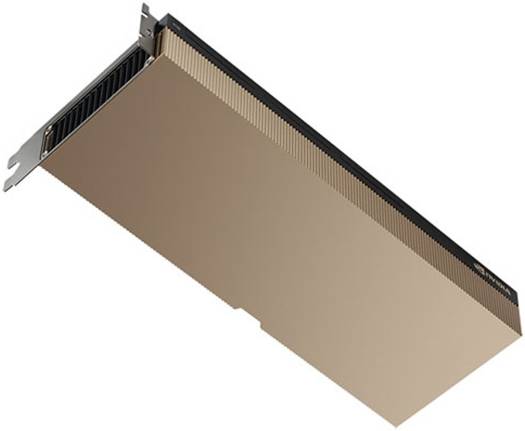
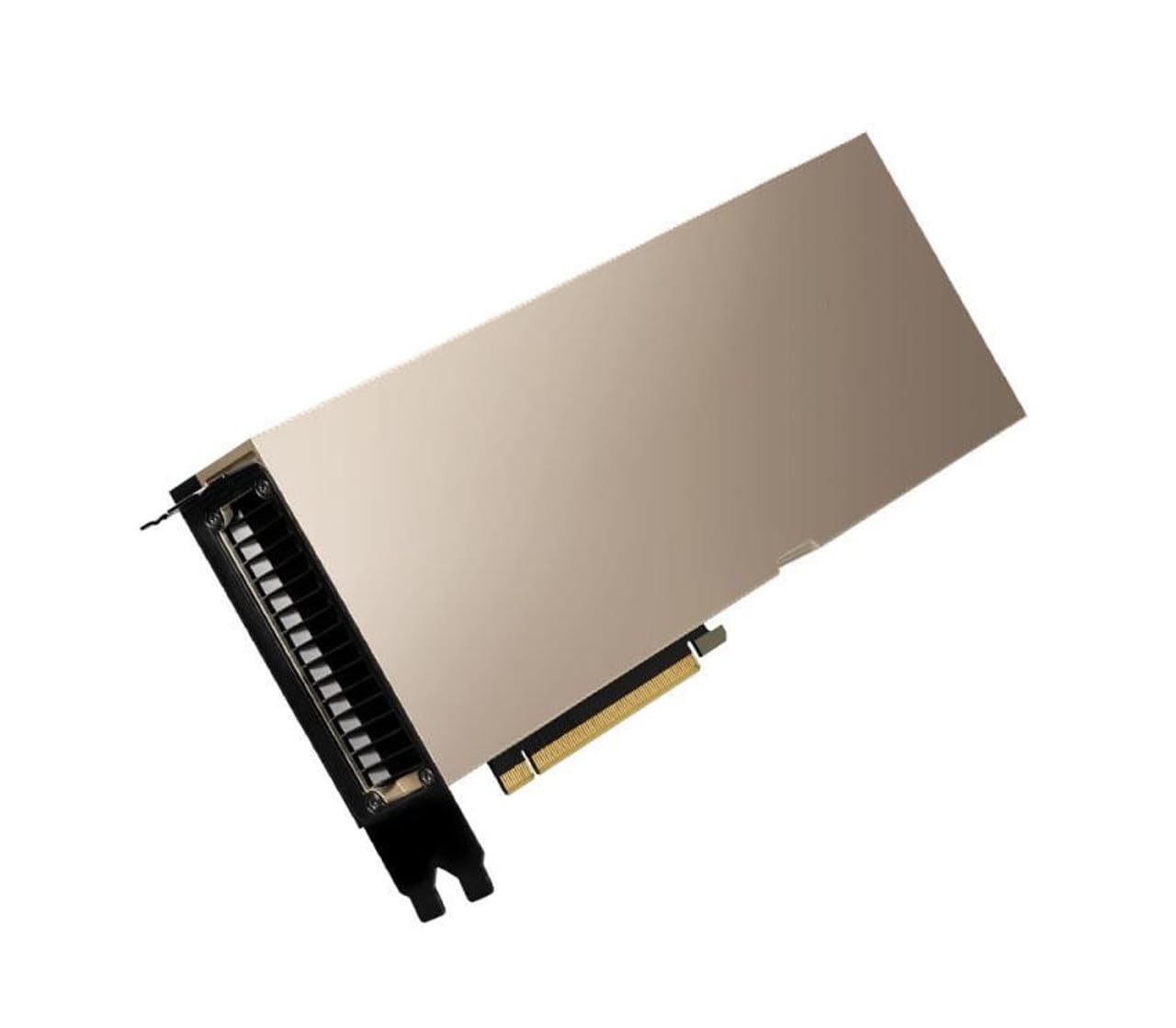
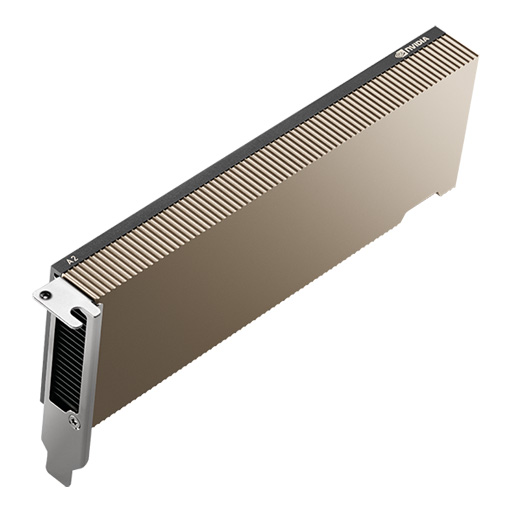
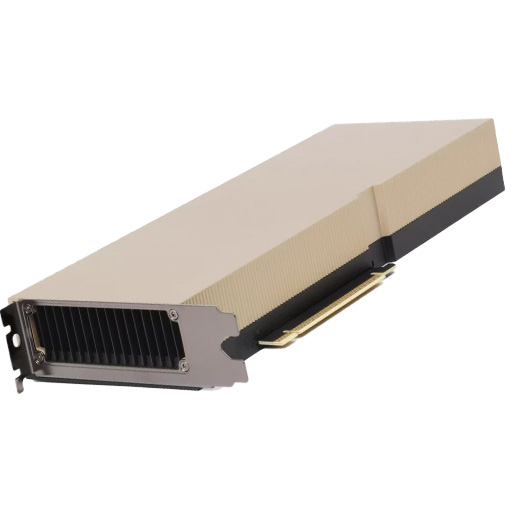
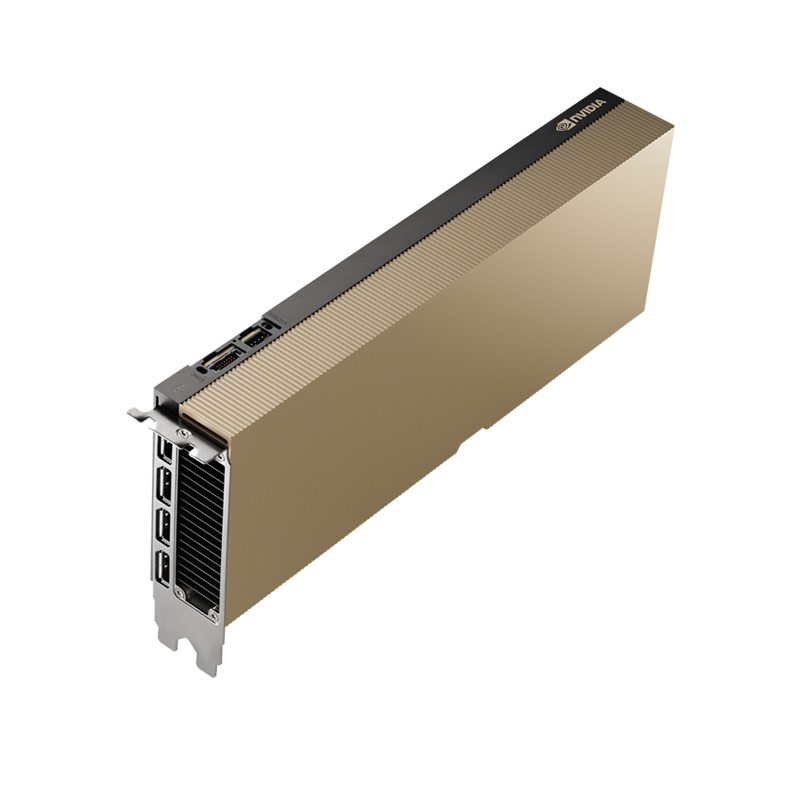
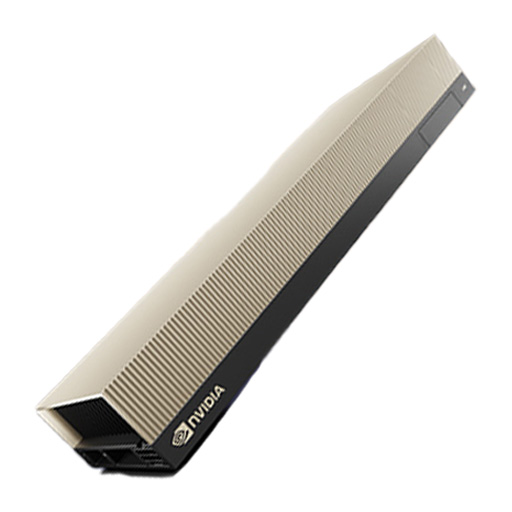
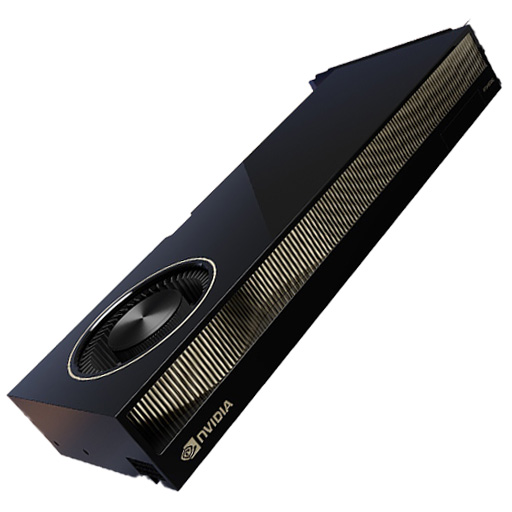
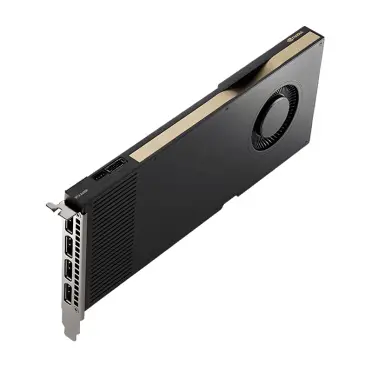
A GPU card, also called a graphics card, is a dedicated component that handles rendering images, videos, and 3D graphics. Instead of relying solely on the CPU, the GPU processes visual and parallel tasks much faster, making your system run smoother in games, creative apps, and AI workloads.
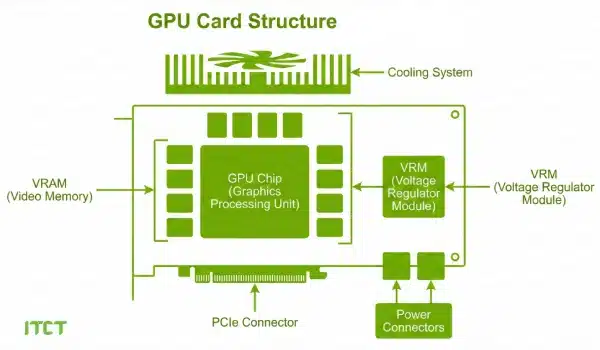
A typical GPU card includes:
- GPU chip
- VRAM
- Cooling system
- Display outputs
How Does a GPU Work?
A GPU (is a processor designed specifically for handling graphics and visual data. Instead of using the CPU for graphics tasks, the GPU processes images and videos much faster, especially in parallel tasks.
- Rendering Graphics: The GPU handles the creation of images, videos, and 3D graphics by processing large amounts of data simultaneously.
- Parallel Processing: Unlike CPUs that handle tasks one by one, GPUs break tasks into smaller chunks and process them at the same time (parallel processing).
- VRAM: GPUs have their own dedicated memory called VRAM, which stores textures, frames, and other graphical data. More VRAM means smoother performance at higher resolutions.
- Cores: GPUs have many smaller cores that work together to process each pixel and graphic detail, making complex graphics tasks faster and smoother.
- Cooling: GPUs generate heat under load, so they are equipped with cooling systems like fans or liquid cooling to prevent overheating.
Types of Graphics Cards
Graphics cards fall into a few main categories, each designed for a different kind of workload:
1.Gaming GPUs
These are built for high frame rates, smooth visuals, and reliable performance in modern games. They’re optimized for rendering, real-time shading, and high-resolution displays.
2. Workstation GPUs
Workstation cards focus on stability and precision for professional software like CAD, 3D modeling, simulation, and video editing. They offer certified drivers and better performance in programs used by engineers, designers, and creators.
3. Data Center GPUs
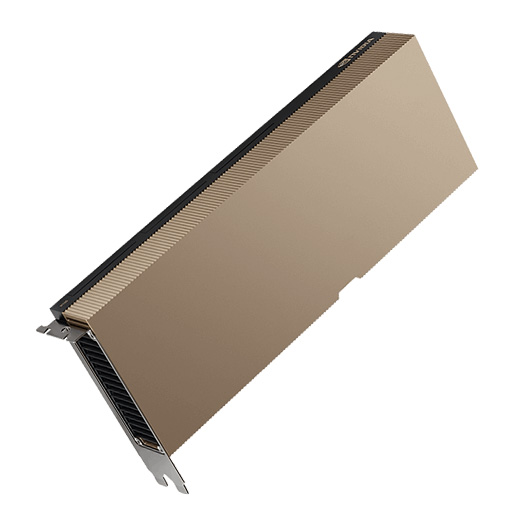
These GPUs are designed for servers, AI training, cloud computing, and large-scale workloads. They deliver massive parallel performance, strong thermal efficiency, and features like high-bandwidth memory and multi-GPU scaling.
4. Budget and Entry-Level GPUs
Suitable for everyday use, light gaming, and simple creative tasks. They provide better performance than integrated graphics at an affordable price.
5. Integrated Graphics
Built into CPUs and suitable for basic tasks like browsing, office work, and media playback. Not ideal for heavy gaming or professional workloads, but great for compact and low-power systems.
Graphics Card Buying Guide
Choosing the right graphics card is easier when you focus on the basics. Start with how you plan to use your system: mid-range GPUs are great for smooth 1080p and 1440p gaming, while 4K gaming, VR, video editing, and AI tools usually need a higher-end model with more VRAM.
VRAM matters a lot today.
- 8GB is enough for standard gaming.
- 12GB+ handles heavier games and creative apps.
- 16GB+ works best for 4K projects and AI workloads.
Cooling design and power draw also make a real difference. A good cooler keeps performance steady under load, and your power supply needs to match the GPU’s wattage and connectors.
What Makes a Good GPU?
A good GPU comes down to a few key features that directly affect performance and real-world results. The most important ones are:
- Strong Parallel Performance: A good GPU should handle thousands of tasks at the same time. More CUDA cores or shader units = smoother rendering, faster AI workloads, and better overall compute speed.
- High VRAM Capacity: More VRAM gives the GPU room to store textures, datasets, and frames. For gaming, 8GB+ works well. For AI, 24GB–80GB makes a huge difference.
- Fast Memory Bandwidth: HBM2e or GDDR6X memory helps the GPU move data quickly, which is critical for AI training, 4K rendering, and data-intensive tasks.
- Efficient Cooling: A good GPU stays cool under load. Better cooling means stable performance and a longer lifespan.
- Power Efficiency: Modern GPUs balance performance with power draw. Efficient architecture = higher performance per watt, important for data centers.
- Software & Driver Support: Reliable drivers and optimized frameworks (like CUDA, TensorRT, and NVIDIA Studio drivers) ensure better performance and compatibility.
- Future-Proof Architecture: Newer GPU generations bring better ray tracing, AI acceleration, and compute optimizations — making them a safer long-term investment.
Top Graphics Card Manufacturers
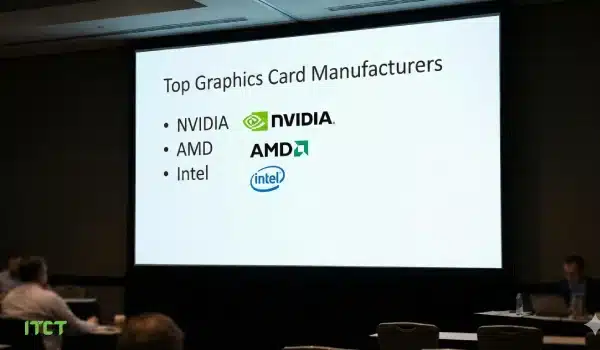
The graphics card market is dominated by a few key players, each focusing on different strengths. NVIDIA currently leads the industry, offering high-performance gaming and professional GPUs that excel in both creative and AI workloads. Their RTX series is widely recognized for advanced features like real-time ray tracing and AI-driven enhancements.
AMD is another major player, known for strong performance at competitive prices. Radeon GPUs are popular among gamers and creators looking for value without compromising quality.
Other manufacturers include Intel, which is entering the discrete GPU market, and specialized brands that focus on workstation or data center GPUs.
When choosing a GPU, NVIDIA’s lineup often leads in performance and software support, making it the top choice for gamers, professionals, and AI applications alike.
Graphics Card Manufacturers Comparison
When comparing the major graphics card manufacturers NVIDIA, AMD, and Intel, it’s important to consider their strengths in different areas. NVIDIA leads in high-end performance, particularly for gaming and AI applications, with a focus on cutting-edge technologies like ray tracing and DLSS.
AMD offers great value for gamers and creators, providing solid performance at competitive prices. Intel is a newer player in the discrete GPU market but is making strides with its Xe Graphics line for both consumer and data center needs.
Below is a comparison of these manufacturers based on key aspects:
| Manufacturer | Founded | Primary Use Case | Price Range | Notable Features |
| NVIDIA | 1993 | Gaming, Professional, AI | High to Premium | Ray Tracing, DLSS, AI Processing |
| AMD | 1969 | Gaming, Content Creation | Budget to Mid-Range | Great Value, FidelityFX Super Resolution |
| Intel | 1968 | General Computing, Data Centers | Budget to Mid-Range | New to Discrete GPUs, Xe Graphics |
NVIDIA Graphics Cards
NVIDIA has become the dominant force in AI and high-performance computing, mainly because of its massive investment in GPU architecture built specifically for large-scale training, inference, and data center workloads. Products like the A100, H100 NVL and H200 are now the backbone of modern AI systems, from deep learning farms to enterprise cloud solutions.
If you’re building an AI cluster, scaling a data center, or upgrading your compute infrastructure, these GPUs deliver unmatched parallel performance, industry-leading Tensor Cores, and exceptional efficiency. Whether you need heavy AI training power, real-time inference acceleration, or workstation-grade stability, NVIDIA’s lineup has a solution ready for serious compute environments.
How to Choose the Right Graphics Card for Your Needs
Choosing the right graphics card depends entirely on what you plan to do with your computer. For gaming, if you’re playing at 1080p, a mid-range card like the NVIDIA RTX 4060 or AMD RX 7600 should be enough. For smoother performance at 1440p, go for the RTX 5070 or RX 9070 XT. If you’re aiming for 4K gaming with ultra-settings, then the RTX 5090 or RX 7900 XTX are your best options.
For content creators, a higher-end card with more VRAM like the RTX 5070 Ti or RX 7900 is ideal for tasks like video editing and 3D rendering.
For those into AI, machine learning, or data-heavy tasks, powerful cards like the NVIDIA A100 40 GB or H100 are designed for parallel processing.
And if you’re on a budget, cards like the GT 1030 or RX 5500 are great for basic gaming and everyday tasks. Always consider the VRAM, power supply, and size compatibility of your chosen card to ensure it fits your system’s needs.
Buy GPU Card from ITCT
Looking for a GPU at a great price with global shipping? Buying from ITCT could be a smart move. They offer competitive pricing, often better than retail, and ship to many countries — making it easier to get high‑end graphics cards no matter where you are.
- Competitive pricing: Their deals on GPUs — from mid‑range gaming cards to high‑end AI/data‑center GPUs — are often among the lowest you’ll find online.
- Worldwide shipping: ITCT ships internationally, so you can order from outside their main market and still receive your GPU without trouble.
- Wide selection: From gaming‑focused GPUs to workstation and data‑center cards, ITCT covers a broad range of models — so you have freedom to choose exactly what fits your needs and budget.