

- Author: Senior Market Analyst at ITCTShop
- Technically Reviewed By: Regional Data Center Infrastructure Consultant
- Primary References: Gartner Forecasts 2026, Statista MENA AI Reports, National Vision 2030 Documents
- Last Updated: January 07, 2026
- Estimated Reading Time: 6 Minutes
Quick Summary: AI Hardware Trends in MENA 2026
The Middle East and North Africa (MENA) region is currently undergoing a massive shift from technology consumption to active infrastructure creation, driven by an expected $169 billion in IT spending by 2026. Led by the UAE, Saudi Arabia, and Qatar, the region is heavily investing in sovereign AI capabilities, including the construction of hyperscale data centers, the deployment of high-performance GPUs for Large Language Model (LLM) training, and the development of localized edge computing systems. This transition is fueled by national strategies like Saudi Vision 2030 and the UAE Strategy for AI, aiming to secure data sovereignty and foster local innovation.
For businesses and investors, the key trends center on the rapid expansion of data center capacity—projected to grow by over 37%—and the rising demand for specialized hardware capable of handling generative AI workloads. As global hyperscalers like AWS and Microsoft expand their regional footprint, the local ecosystem is simultaneously prioritizing “sovereign cloud” solutions. This creates a dual opportunity: a robust market for imported high-end hardware (like NVIDIA DGX systems) and a growing niche for customized, region-specific AI infrastructure that adheres to local data privacy regulations.
In 2025, the Middle East and North Africa (MENA) region is no longer a passive consumer of global technologies—it is emerging as an active architect of artificial intelligence infrastructure. With large-scale government investments, rapid expansion of data centers, and growing adoption of emerging technologies like GenAI and Edge AI, AI in MENA is entering a new phase of strategic development.
From custom-designed chips to localized edge computing systems, the region’s AI hardware ecosystem is evolving to meet native demands while positioning itself for global competitiveness. These advancements are laying the groundwork for transformative applications in digital health, cybersecurity, and smart cities—domains where hardware performance and scalability are mission-critical.
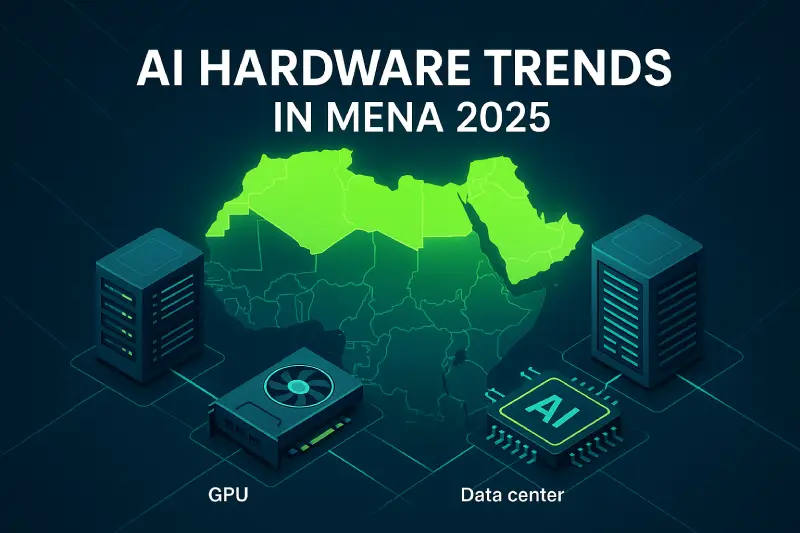
This blog explores the key AI Hardware Trends MENA 2025, highlighting the region’s strategic priorities, technical challenges, and the opportunities ahead for businesses, developers, and policymakers.
What Is AI Hardware?
AI hardware refers to a specialized set of components and systems designed—or optimized—to run artificial intelligence algorithms efficiently. Unlike general-purpose hardware such as CPUs, AI hardware is built to handle parallel processing, manage large-scale data workloads, and execute complex machine learning models and neural networks with speed and precision.
These systems form the backbone of modern AI infrastructure, enabling everything from real-time facial recognition to large language model training. As AI applications grow more sophisticated, the demand for high-performance, scalable hardware continues to rise—making AI hardware a critical enabler of innovation across industries.

Major Investments in AI Infrastructure Across MENA
In 2025, the Middle East and North Africa (MENA) region is entering one of its fastest phases of digital transformation. According to Gartner, IT spending across MENA is expected to reach $169 billion by 2026, reflecting an annual growth rate of 8.9%. This surge signals more than just digital maturity—it marks a strategic shift toward building advanced infrastructure for artificial intelligence, especially in hardware, cloud computing, and data center capacity.
Countries like the UAE, Saudi Arabia, and Qatar are leading the charge, allocating multi-billion-dollar budgets to national AI initiatives. These efforts include building next-generation data centers, developing custom AI chips, and launching real-time processing platforms. Such infrastructure is essential for deploying complex models like Generative AI (GenAI) and Large Language Models (LLMs), but it also supports broader goals: enabling local innovation, reducing reliance on foreign cloud providers, and strengthening data security.
The Role of Data Centers in AI Transformation Across MENA
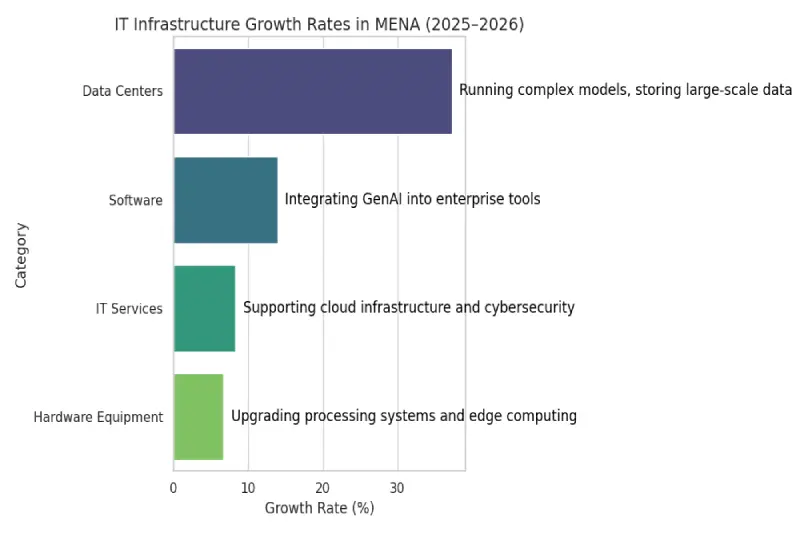
Among all IT segments in the Middle East and North Africa, data centers are experiencing the fastest growth. According to Gartner, spending in this category is projected to increase by 37.3% in 2026, outpacing all other areas of IT investment. This sharp rise reflects the growing importance of data centers as the backbone of large-scale AI deployment across the region.
Modern data centers in MENA are being designed to handle massive volumes of both structured and unstructured data, train deep learning models, and deliver real-time responses for critical applications such as digital health, cybersecurity, and smart city infrastructure. Many of these facilities are equipped with high-performance GPUs, advanced cooling systems, and edge-friendly architectures—allowing them to operate efficiently both in the cloud and on-premise.
The arrival of global hyperscalers like Google Cloud, Microsoft Azure, and AWS has intensified competition in the region, prompting governments and enterprises to accelerate infrastructure development and attract foreign investment. These data centers not only support the execution of Generative AI (GenAI) and other advanced models, but also provide a foundation for local chip development, Arabic language processing, and region-specific model training.
As part of the broader AI computing in MENA, the expansion of data center capacity is a strategic move—enabling MENA countries to build sovereign, scalable AI ecosystems tailored to their unique linguistic, cultural, and industrial needs.
Key Drivers Behind AI Investment Growth in MENA
Several factors are fueling the rapid increase in AI infrastructure investment across the MENA region:
- Rising demand for GenAI and large language models (LLMs): As organizations across sectors—from healthcare to finance—seek to deploy advanced generative tools and conversational AI, the need for high-performance hardware and scalable infrastructure has surged.
- The need for localized data processing: With growing concerns around data privacy, latency, and regulatory compliance, many governments and enterprises are prioritizing edge computing and on-premise AI solutions. This shift requires robust hardware capable of handling real-time, secure processing within national borders.
- Government-backed national AI initiatives: Countries like the UAE, Saudi Arabia, and Qatar are actively supporting smart city projects, digital transformation strategies, and AI research hubs. These programs often include direct investment in data centers, chip development, and AI hardware ecosystems.
- Entry of global hyperscalers into the regional market: The arrival of cloud giants such as Google Cloud, Microsoft Azure, and AWS has accelerated competition and infrastructure development. Their presence is prompting local players to upgrade systems, expand capacity, and build region-specific AI capabilities.
Together, these drivers are shaping the future of AI in MENA, making hardware investment a strategic priority for both public and private sectors.
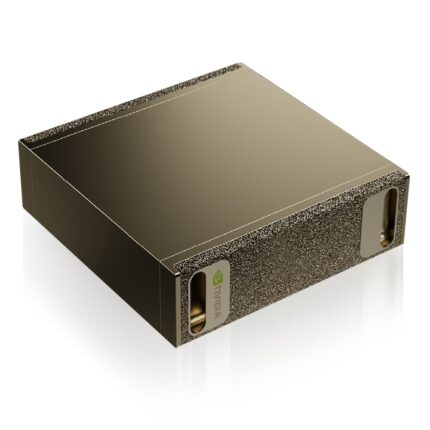
NVIDIA DGX Spark: The Grace Blackwell AI Supercomputer on Your Desk
IT Infrastructure Growth in MENA (2025–2026)
AI Hardware Market Growth in MENA Through 2031
In recent years, the Middle East and North Africa (MENA) region has transitioned from a passive consumer of technology to an active player in developing AI infrastructure. According to Statista, the value of the AI market in MENA is projected to reach $9.34 billion by 2025. With a compound annual growth rate (CAGR) of 26.23%, this figure is expected to climb to $37.81 billion by 2031—a trend that reflects a profound transformation in intelligent processing and hardware capabilities across the region.
🌍 MENA AI Infrastructure Check
Find the right hardware strategy for your region and industry.
Step 1 of 3
Where is your primary data located?
Step 2 of 3
What is your main AI application?
Step 3 of 3
What is your organizational scale?
Why This Growth Matters
The expansion of AI in MENA is not merely about increased adoption of smart software. It signals a rising demand for specialized hardware capable of running complex machine learning models, computer vision systems, and generative AI at scale. These technologies rely on:
- High-performance GPUs for parallel data processing
- Custom-designed chips tailored for specific AI workloads
- Edge computing systems for real-time, on-site inference
- Large-scale data centers to support intensive and continuous operations
Without robust hardware infrastructure, advanced AI applications—ranging from multilingual chatbots and surgical robotics to real-time cybersecurity analytics—cannot be effectively deployed. This underscores the critical role of hardware in enabling scalable, high-impact AI solutions across the region.
Key AI Segments in MENA and Their Hardware Requirements
| Technology Domain | Common Applications | Hardware Requirements |
| Machine Learning (ML) | Data analytics, forecasting, pattern recognition | GPUs, TPUs, scalable data centers |
| Natural Language Processing (NLP) | Chatbots, translation, Arabic text analysis | NPUs, high-speed memory, custom chips |
| Computer Vision | Facial recognition, industrial quality control | FPGAs, smart cameras, edge processors |
| Generative AI (GenAI) | Content creation, design, automated coding | Advanced GPUs, high-capacity data centers |
| Intelligent Robotics | Industrial automation, digital health | ASICs, advanced sensors, real-time processors |
Key Drivers of AI Hardware Growth in MENA
National AI Strategies Countries like the UAE, Saudi Arabia, and Qatar have launched ambitious national AI programs that include investments in hardware infrastructure, workforce development, and incentives for global tech firms.
Focus on Local Processing & Data Sovereignty Due to the sensitivity of healthcare, financial, and government data, many organizations are shifting toward local processing and edge computing to reduce reliance on foreign cloud services.
Rising Demand for GenAI & Large Language Models (LLMs) Generative applications such as content creation, graphic design, and text analysis require high-performance computing hardware—an area undergoing rapid development across the region.
Entry of Hyperscalers & Specialized Startups Major tech companies and regional startups are establishing data centers, designing custom chips, and offering localized hardware services to meet growing demand.
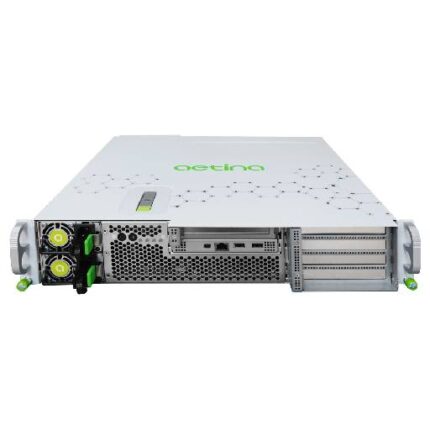
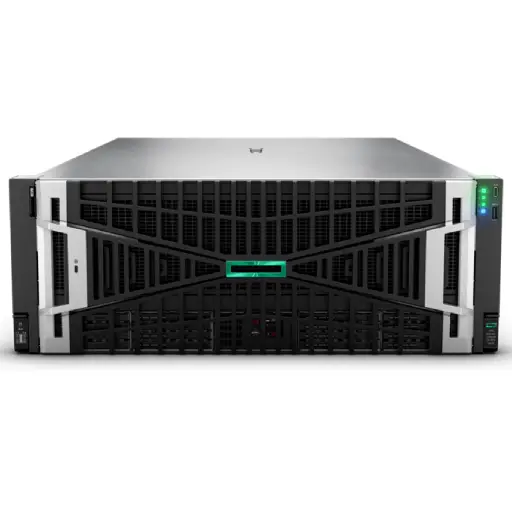
Aetina SuperEdge AEX-2UA1 (MGX Server)
| Feature | Details |
|---|---|
| Processor | Latest Intel® Xeon® 6 (Granite Rapids-SP, Sierra Forest-SP) up to 250W TDP |
| Memory | 8× DDR5 RDIMM channels, 6400 MT/s DDR5 or 8000 MT/s MCR DIMM |
| GPU Support | Up to 2× NVIDIA dual-width GPUs with NVLink for high-speed GPU-to-GPU communication |
| Expansion Slots | (2) PCIe Gen5 x16 FHFL, (1) PCIe Gen5 x8 FHFL (disabled with 2 dual-width GPUs), (1) PCIe Gen5 x16 FHHL for NIC/DPU |
Leading AI Nations in the Middle East (2025)
United Arab Emirates
The UAE was one of the first countries to define artificial intelligence as a national priority. With the appointment of a Minister of AI in 2017 and the launch of the National AI Strategy 2031, the country has laid out a clear roadmap to become the region’s tech hub. Major investments have been made in data centers, custom chip development, and intelligent infrastructure. Flagship projects such as Dubai Smart City, autonomous transport systems, and digital health platforms are deeply integrated with AI technologies. By attracting global tech firms and fostering innovation ecosystems, the UAE has created fertile ground for local startups and developers to thrive in AI hardware.
Saudi Arabia
Through its Vision 2030 initiative, Saudi Arabia is pursuing a sweeping economic and technological transformation—with AI at its core. The establishment of SDAIA (Saudi Data and AI Authority) and the rollout of the National Strategy for Data and AI reflect the country’s commitment to building intelligent infrastructure. Saudi Arabia is developing hyperscale data centers, designing indigenous chips, and partnering with global firms to deploy GenAI across government services, healthcare, and cybersecurity. A strong focus on talent development, Arabic NLP platforms, and support for hardware-focused startups positions the kingdom as a key regional player.
Qatar
Qatar is aiming to become a global innovation hub for AI through its National AI Strategy and sustained investment in R&D. The country is prioritizing sectors such as digital health, smart energy, and AI-driven education, supported by advanced data centers, edge processors, and custom chips tailored to specific use cases. Close collaboration between universities, research institutes, and government bodies has enabled Qatar to advance indigenous hardware development and cultivate specialized talent. Its support for Arabic NLP and real-time processing technologies also contributes to regional AI localization.
Egypt
With a young and growing population, Egypt holds significant potential for AI development. The country is focusing on workforce training, Arabic NLP platforms, and cloud infrastructure. In partnership with tech companies and academic institutions, Egypt is establishing regional data centers and equipping processing systems for applications in healthcare, smart agriculture, and public services. While still in the early stages of AI hardware development, Egypt’s human capital and strategic location position it as an emerging player in the years ahead.
Bahrain & Oman
Both Bahrain and Oman are advancing AI infrastructure with a focus on niche domains such as fintech, data security, and edge computing. Bahrain’s open economic policies and foreign investment incentives have created a supportive environment for AI startups. Oman, meanwhile, is investing in industrial and energy applications, building processing centers and developing ruggedized chips for distributed environments. Through regional and international collaboration, both countries are steadily enhancing their hardware capabilities to meet local demands.
Conclusion
The MENA region is no longer watching the global AI race from the sidelines—it’s building its own track. With strategic investments in data centers, custom chips, and edge computing, countries across the Middle East and North Africa are laying the hardware foundation for scalable, sovereign, and culturally relevant AI ecosystems.
As demand for GenAI, LLMs, and real-time intelligent systems continues to rise, the region’s ability to deliver high-performance infrastructure will define its role in the global AI economy. Whether you’re a policymaker shaping national strategies, a developer building next-gen applications, or a business leader exploring AI integration—now is the time to engage.
1. Ahmed Al-Mansouri – Cloud Solutions Architect, Dubai “The stats on data center growth align perfectly with what we are seeing on the ground. However, the article touches briefly on ‘cooling systems.’ In my experience, the biggest bottleneck right now isn’t just buying the H200s or B200s, it’s retrofitting existing facilities in the Gulf to handle the heat density of these new racks. Liquid cooling is going to be mandatory, not optional, for MENA in 2026.”
2. Layla K. – Fintech CTO, Riyadh “Great overview of the National Strategies. For us in the financial sector in KSA, the ‘Data Sovereignty’ point you mentioned is critical. We can no longer rely purely on European or US cloud zones. We are actively looking for on-prem hardware that mimics the cloud experience because regulations require customer data to stay within the Kingdom. This hardware guide is very timely.”
3. J. Thompson – AI Researcher “I’m surprised to see the projection for 2031 hitting nearly $38 billion. That’s massive. I’d be interested to see a follow-up article specifically about the ‘Edge AI’ adoption in the oil and gas sector. I feel that is where the immediate ROI for hardware investment lies before we get to full-blown smart cities.”
✅ Reviewed and updated by the ITCT technical team in 2026. Prices and specifications reflect the latest available data.
Last update at December 2025